Eclado Laboratory by Allura Cosmetic

 How Cipro Works: a Deep Dive into Its Mechanism
Unveiling Cipro: a Comprehensive Overview
Cipro, a notable member of the fluoroquinolone antibiotics, stands as a cornerstone in modern medicine's fight against bacterial infections. Originally derived from nalidixic acid, it has been utilized effectively since its introduction in the 1980s. This antimicrobial agent disrupts bacterial DNA replication, thereby curbing infections from a broad range of bacteria, including those causing urinary tract infections, respiratory infections, and skin infections. Its success is rooted in its unique ability to penetrate both gram-positive and gram-negative bacteria, making it versatile and powerful. By addressing various bacteria with precision, Cipro redefined therapeutic strategies in antimicrobial treatments. Let’s delve deeper into what makes Cipro so crucial in the medical field.
| Characteristic | Details |
|---|---|
| Type | Fluoroquinolone Antibiotic |
| Introduced | 1980s |
| Targets | Gram-positive and Gram-negative Bacteria |
| Common Uses | Urinary Tract, Respiratory, Skin Infections |
Cipro’s Journey through the Human Body
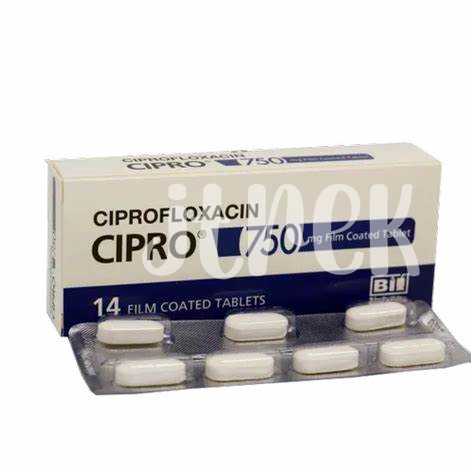
As Cipro embarks on its path through the human body, it is absorbed into the bloodstream after oral ingestion. This initial journey is crucial as Cipro needs to reach therapeutic levels in the bloodstream to be effective. Once in circulation, Cipro navigates to sites of bacterial infection, crossing cell membranes with ease due to its molecular design.
Upon arrival, Cipro infiltrates the bacterial cells, specifically targeting areas of dense bacterial activity. Its ability to penetrate quickly and efficiently allows it to localize and concentrate where it’s needed most. The drug's strategic movement ensures that it remains active in combating infections throughout the body, exploiting the vulnerabilities in bacterial DNA replication processes.
Targeting Bacteria: the Dna Gyrase Inhibition
Cipro, a potent antibiotic in the fluoroquinolone class, excels by specifically targeting the intricate workings of bacterial cells. Its primary target is an essential enzyme called DNA gyrase, which plays a critical role in bacterial DNA replication. This enzyme is responsible for supercoiling DNA strands, a vital step for bacteria to duplicate their genetic material. By inhibiting DNA gyrase, Cipro effectively throws a wrench into the bacterial machinery, preventing the organism from replicating its DNA—a process essential for cell division and growth.
This disruption halts bacterial reproduction, effectively keeping infections at bay. The precision with which Cipro hones in on DNA gyrase underscores its efficiency in tackling bacterial infections, offering a therapeutic edge in fighting diseases caused by a variety of pathogens. This focused attack on the bacterial DNA replication process is what makes Cipro both a powerful and invaluable tool in the medical arsenal against bacterial infections.
How Cipro's Mechanism Prevents Bacterial Reproduction
Cipro, a powerful antibiotic, uses a precise mechanism to halt bacterial proliferation, ensuring that infections are effectively controlled. At the heart of its action is the disruption of bacterial DNA processes. Cipro specifically targets enzymes like DNA gyrase, crucial for unwinding and winding DNA strands during replication. Without properly functioning DNA gyrase, bacteria cannot replicate their genetic material, which stalls their growth and reproduction.
This strategic inhibition is vital, as it essentially prevents bacteria from multiplying and developing into full-blown infections. By stopping DNA gyrase from doing its job, Cipro ensures bacterial DNA remains not only tangled but also incompletely copied. In effect, bacteria are left unable to divide and spread throughout the body, curbing the infection's advance and allowing the body's immune system to gain an upper hand in the fight.
The Role of Metabolism in Cipro Efficiency
Cipro's success in treating bacterial infections depends significantly on the body's metabolic pathways. When Cipro enters the bloodstream, it must endure complex metabolic processes that determine its bioavailability and efficacy. The liver, for instance, plays a crucial role in metabolizing Cipro, impacting how the body absorbs, distributes, and eliminates the drug. If these processes are efficient, Cipro remains active longer, providing sustained antibacterial action. Enzymatic activity within the liver can influence these outcomes, potentially altering the drug’s effectiveness. Understanding the nuances of these interactions ensures Cipro's correct dosage and timing, enhancing its ability to combat infections effectively.
| Key Metabolic Process | Impact on Cipro Efficiency |
|---|---|
| Absorption | Determines bioavailability |
| Distribution | Affects concentration at infection sites |
| Elimination | Influences duration of drug activity |
Overcoming Resistance: Challenges Facing Cipro
As bacteria evolve, they develop mechanisms to withstand pharmacological attacks, and Cipro is not immune to this challenge. Resistance arises primarily through genetic mutations that alter the target site, reduce drug uptake, or activate efflux pumps that expel the antibiotic. These adaptations diminish Cipro's ability to bind effectively to DNA gyrase, the enzyme it typically inhibits to halt bacterial growth.
Efforts to overcome these hurdles involve both preventative and innovative strategies. Healthcare professionals advocate for the rational use of antibiotics, emphasizing the importance of adhering to prescribed treatment regimens to minimize exposure that encourages resistance. Meanwhile, researchers are exploring combination therapies and novel compounds that may revive or enhance the efficacy of existing drugs.
This ongoing battle against resistance highlights the necessity for continuous research and vigilant medical practices. Only by understanding the underlying mechanisms and remaining attentive to evolving bacterial strategies can we hope to preserve the potency of vital antibiotics like Cipro.