Eclado Laboratory by Allura Cosmetic

 Oral Vs Topical Clindamycin: Pros and Cons
How Oral Clindamycin Works: Benefits and Risks
When a clinician writes an Rx for oral clindamycin, the drug is absorbed and travels systemically to inhibit bacterial protein synthesis, helping deep-seated infections and bone penetration. This systemic reach is a clear advantage in serious infections.
Benefits include reliable serum levels and use when topical therapy fails, but risks are notable: nausea, rash, and a heightened risk of Clostridioides difficile. Prescribers balance efficacy with stewardship and carefully consider patient allergies and pill burden.
| Benefit | Risk |
|---|---|
| Deep tissue penetration | C. difficile infection |
| Oral convenience | Systemic side effects |
Choosing oral therapy requires monitoring labs and watching for adverse events; rare but serious hepatotoxicity and antibiotic-associated colitis must trigger prompt discontinuation. Cost and access matter—Generics lower expense—but clinicians should prioritize indication, duration, and nurse or pharmacist Med Rec to reduce errors and unnecessary prolonged courses with clear and timely follow-up arranged promptly.
Topical Clindamycin Benefits: Targeted Treatment, Fewer Side Effects
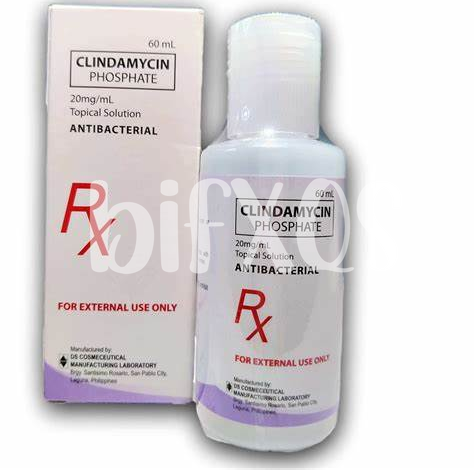
A single dab of topical clindamycin reliably delivers medication to inflamed follicles, minimizing systemic exposure and focusing effect where it matters most.
Patients often report less nausea or diarrhea than with an oral Rx, while skin irritation is usually mild, temporary and localized.
Topical formulas, including generics, reduce pill burden and simplify Sig instructions; no cold chain is typically required and costs are often lower.
Clinicians weigh lesion severity, adherence and cost: for widespread disease an oral course may win, but local therapy shines for limited outbreaks and improves outcomes.
Comparing Effectiveness: Oral Versus Topical Clinical Outcomes
A clinician weighing clindamycin options often thinks in terms of reach and precision. Oral therapy can reach deep infections systemically, producing rapid reductions in bacterial load, but carries broader effects on microbiome and resistance risk.
Topical clindamycin targets lesions directly, improving local outcomes with fewer systemic side effects; studies show modest efficacy for mild-to-moderate acne and skin infections compared with oral courses. Patient adherence rises when application fits routines, yet potency is limited for widespread or deep infections.
In practice, prescribers balance severity, comorbidities, and drug interactions, and sometimes step from an Rx oral course to topical maintenance or choose Generics for cost-effectiveness. Clear communication, monitoring for resistance, and regular follow-up improve outcomes and adherence.
Safety Profiles: Systemic Risks Versus Local Irritation

When patients take oral clindamycin, the body-wide effects can be dramatic: gut flora disruption may lead to Clostridioides difficile infection, and systemic allergic reactions or elevated liver enzymes sometimes occur. Physicians weigh risks, review the patient’s history and current meds to avoid dangerous interactions; a thoughtful Script - Prescription clarifies dosing and monitoring. Regular laboratory monitoring, including liver tests.
Topical formulations often limit exposure, producing mainly local complaints—dryness, burning, or contact dermatitis—rather than systemic harm. These modest irritations are typically manageable with supportive care or stopping the product.
Choosing oral versus topical requires balancing the likelihood of a severe Side Effect - Unwanted drug reaction against minor local irritation; clinicians prioritize severity of infection, prior C. difficile history, and concurrent antibiotics. Close follow-up, patient education about warning signs, and prompt discontinuation Stat if serious symptoms emerge help keep therapy safe.
Practical Considerations: Dosing, Compliance, and Cost
A practical lens helps patients balance clindamycin dosing, adherence, and price. Oral regimens often need an Rx - Prescription and strict titration, raising pill burden and monitoring needs. Topical options reduce systemic exposure and simplify routines.
Dose Cost
Insurance, Generics - Non-brand medications PBM restrictions shape out-of-pocket costs and prior auth barriers; schedule simplicity boosts compliance. Clinicians should discuss side effects, storage, and scenario-specific choices with patients to optimize outcomes. Ask about refill timing, Fill Day strategies, and realistic Sig instructions to improve adherence and cost-effectiveness.
Choosing Wisely: Patient Factors Guiding Treatment Selection
A clinician and patient sit across a bright exam room table, weighing risks and benefits of systemic versus topical therapy. Severity of infection, prior antibiotic response, and allergy history steer the initial plan.
Oral therapy suits deep or widespread infections, but carries systemic risk and needs clear Rx counseling. Topical options limit exposure and often use generics, improving affordability and adherence for localized disease.
Age, pregnancy, liver function, and concomitant meds should guide choice. Shared decision making, realistic expectations, and planned follow-up optimize outcomes while minimizing harm and monitoring progress.