Eclado Laboratory by Allura Cosmetic

 Drug Interactions: What Not to Mix with Colchicine
Why Colchicine Interactions Can Become Life Threatening
A routine prescription turned dangerous when a patient combined colchicine with another medication; what began as mild stomach upset escalated to muscle weakness and breathing trouble.
Colchicine’s narrow safety margin means small increases in blood levels can cause severe toxicity. Metabolism and transport pathways—especially CYP3A4 and P‑glycoprotein—control its elimination, so inhibitors can sharply raise exposure. Co‑prescribed macrolides, azoles, and certain calcium channel blockers are common culprits.
Consequences range from gastrointestinal distress to life‑threatening neuromuscular and cardiac problems, including rhabdomyolysis and arrhythmias. Elderly patients and those with kidney or liver impairment are particularly vulnerable. Symptoms can progress rapidly; early recognition and stopping interacting drug are crucial while supportive care and toxicology consultation guide treatment.
Recognizing risky combinations, adjusting doses, and prompt lab monitoring can prevent tragedies. Clear communication between clinicians, pharmacists, and patients turns a perilous interaction into a manageable risk.
| Risk | Best Action |
|---|---|
| Strong CYP3A4/P‑gp inhibitors | Avoid or reduce colchicine dose; monitor closely |
Strong Cyp3a4 and P-gp Inhibitors to Avoid
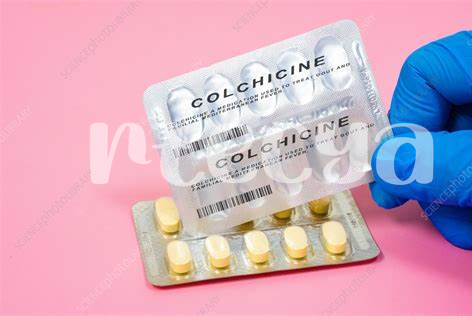
A single drug interaction can turn routine gout treatment into a medical emergency. When medications block metabolic pathways that clear colchicine, blood levels can spike, producing severe gastrointestinal distress, muscle weakness, and even life-threatening bone marrow suppression. Awareness matters because these effects can appear quickly and escalate without obvious warning.
Certain antibiotics, antifungals, antiviral boosters and some heart drugs are common culprits: macrolides and azoles, protease inhibitor boosters, and calcium channel blockers or antiarrhythmics that inhibit transport proteins. Combining them with colchicine without dose adjustment significantly raises toxicity risk. Alternatives or spacing doses, when possible, reduce interaction intensity.
Clinicians should review all prescriptions and supplements, reduce colchicine dosing in renal or hepatic impairment, and monitor for early signs like diarrhea or muscle pain. If interaction is unavoidable, temporary therapy suspension and close lab follow-up can prevent irreversible harm and death.
Common Antibiotics and Antifungals That Interact Badly
A single antibiotic can turn a safe colchicine regimen dangerous: macrolides like clarithromycin and erythromycin block CYP3A4, raising blood levels and toxicity risk.
Azole antifungals — ketoconazole, itraconazole, fluconazole — are notorious CYP/P-gp inhibitors; even short courses can precipitate severe gastrointestinal, neuromuscular, or hematologic effects.
Quinolones and some antivirals may also interact; the risk multiplies in kidney or liver dysfunction, where colchicine clearance is already reduced.
Always alert clinicians about all antibiotics and antifungals, seek alternatives when possible, and monitor closely for weakness, neuropathy, or unusual bruising, including urgent labs.
Statins and Muscle Risk: Neuromuscular Toxicity Monitoring
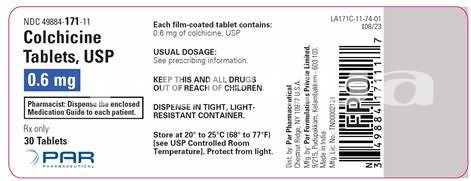
A patient taking a statin and colchicine described creeping leg weakness and fatigue, a subtle start that became alarming.
These drugs can interact pharmacokinetically and pharmacodynamically, raising myotoxicity risk through shared metabolism and transport pathways. Drug interactions via CYP3A4 and P-gp inhibition amplify exposure.
Monitor for pain, weakness, dark urine and check creatine kinase before starting then periodically, especially with higher doses.
Consider dose reduction, temporary discontinuation, or switching therapy after consulting a clinician; early recognition prevents progression to severe neuromuscular toxicity. Act fast to minimize permanent muscle damage now.
Herbal Supplements and Otc Drugs Raising Risk
She brewed an herbal tea, unaware it could amplify colchicine levels. Small, everyday remedies like grapefruit, pomegranate, or potent supplements change metabolism and can silently turn a safe dose dangerous.
Some OTC antihistamines, cough medicines, and bitter extracts inhibit CYP3A4 or P‑gp, heightening toxicity. Clinicians should ask about every supplement; patients often omit over‑the‑counter remedies during reviews and report them.
Practical steps include keeping a current medication list, avoiding concurrent P‑gp or strong CYP3A4 inhibitors, and consulting pharmacists before adding botanicals — small choices profoundly impact colchicine safety and outcomes.
| Supplement/OTC | Interaction |
|---|---|
| Grapefruit juice | Strong CYP3A4/P‑gp inhibition — raises colchicine levels |
| Pomegranate juice | Possible CYP3A4/P‑gp inhibition — may increase exposure |
| St. John's wort | CYP3A4 induction — can lower colchicine levels, altering effect |
Practical Tips for Dose Adjustments Testing and Timing
Start by mapping risk factors: review renal and hepatic function, co‑medications, and age. Discuss symptoms of toxicity with patients and insist they maintain a clear, up‑to‑date medication list for every visit and labs. FDA MedlinePlus
When strong inhibitors are unavoidable, reduce colchicine dose or extend dosing intervals; coordinate with pharmacy to prevent CYP3A4 and P‑gp interactions and consider temporarily withholding colchicine during short antibiotic courses and monitor closely. FDA MedlinePlus
Baseline creatinine and liver tests guide dosing; check creatine kinase before starting statins with colchicine and repeat if muscle pain develops. Promptly stop offending agents at first signs of weakness or dark urine. FDA MedlinePlus
Space colchicine away from interacting drugs when possible and avoid grapefruit juice. Educate about OTCs and supplements, document any medication changes, and schedule early follow‑up to reassess dose and side effects as needed. FDA MedlinePlus