Eclado Laboratory by Allura Cosmetic

 Hydroxychloroquine and Covid-19: the Science — Trials, Evidence, Controversies Reviewed
Origins of the Hydroxychloroquine Hype: Early Laboratory Signals
Early in the pandemic, cell culture studies reported that hydroxychloroquine reduced SARS‑CoV‑2 replication, sparking scientific curiosity and hope. Prior antiviral signals against other coronaviruses and an established safety profile in rheumatology amplified interest, creating a plausible mechanistic narrative.
Small, uncontrolled clinical reports and preprints followed, often lacking placebo groups or standardized endpoints. Dosing, timing, and co‑medication differences made translation from petri dish to patient uncertain, while in vitro potency did not guarantee in vivo efficacy.
The laboratory signals were valuable but preliminary; they justified rigorous randomized trials rather than premature clinical adoption. The episode underlined the need to balance rapid hypothesis generation with careful evaluation before reshaping practice. These lessons remain relevant for future pandemics.
| Laboratory Signal | Immediate Implication |
|---|---|
| In vitro antiviral activity | Hypothesis generation for trials |
| Known drug safety | Encouraged off-label use consideration |
Clinical Trials Landscape: Small Studies to Big Rcts
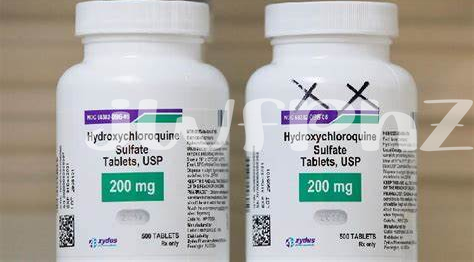
Early reports from tiny hospitals painted hopeful snapshots, often driven by case series and observational anecdotes that inspired rapid off label use and urgent calls for trials.
Small trials suggested viral decline but lacked controls and statistical power, leaving uncertainty about real benefit and underscored the need for randomized evidence.
Later large randomized controlled trials provided clearer answers, generally failing to show meaningful clinical improvements and highlighting safety signals.
The trajectory from small studies to robust RCTs shows why rigorous design, sample size, and transparent reporting matter when evaluating hydroxychloroquine.
Interpreting Evidence: Efficacy, Safety, and Confounding
Early reports of benefit from hydroxychloroquine leapt from lab benches to headlines, but small, uncontrolled trials and retrospective cohorts swelled uncertainty. Confounding by indication, variable dosing, and reliance on surrogate endpoints produced noisy signals that randomized trials later could not replicate.
Safety concerns—particularly QT prolongation, cardiac arrhythmias, and interactions with common drugs—shifted the risk–benefit calculus. Interpreting evidence required weighing underpowered positive studies against larger negative trials, understanding preprint limitations, and demanding timely transparent data. The episode underscores why rigor, replication, and clear communication matter when urgent hypotheses become public policy.
Regulatory Responses and Global Policy Whiplash

At first, regulators rushed emergency authorizations amid scarce evidence, hoping to offer clinicians options. Decisions were often shaped by preliminary lab studies and intense public pressure.
Some countries mirrored each other, then reversed course as larger trials failed to show benefit and safety signals emerged. Policy swings varied by political context and regulatory capacity.
Conflicting advisories created public confusion and strained trust in institutions tasked with safeguarding health. Clinicians scrambled for guidance amid mixed messaging.
The hydroxychloroquine saga underscores the balance regulators must strike between rapid access and rigorous review.
Media, Politics, and Scientific Communication Breakdowns
News cycles seized on early, incomplete findings, turning tentative lab results into headlines and social media amplification. Journalists raced to simplify complex preprints; nuances vanished as certainty was asserted.
Politicians amplified claims about hydroxychloroquine, shaping policy and public expectation before robust trials reported. Scientists struggled to correct the record while facing politicized critiques and threats to credibility. Public confusion grew as mixed messages undermined adherence to health advice.
The breakdown revealed systemic communication failures: incentives favor speed over rigor, reward sensationalism, and underresource clear public education. Rebuilding trust requires transparent data sharing, careful messaging, and collaboration between researchers, media, and policymakers. Independent bodies should audit communications, fund science literacy initiatives, and support independent media oversight.
| Issue | Remedy |
|---|---|
| Conflicting claims | Timely consensus statements |
Lessons Learned: Research Integrity and Future Preparedness
The early rush exposed how haste could compromise rigor; laboratories, preprints and small clinical reports gained outsized influence before replication. Clear preprints should flag limitations openly.
Robust trial design, transparency in protocols and data sharing proved essential to separate signal from noise and safeguard patients, and incentivize replication studies quickly.
Independent oversight and preplanned analyses reduced bias; observational findings required cautious interpretation given confounding and selective reporting, and register trials prospectively.
Future preparedness means funding adaptive platforms, strengthening ethics review during crises, and improving science communication to rebuild public trust.