Eclado Laboratory by Allura Cosmetic

 Methocarbamol Interactions You Should Know — Drugs, Alcohol, and Herbal Conflicts
How Methocarbamol Interacts with Common Prescription Medications
When your doctor prescribes methocarbamol, it can ease tension quickly. Remember it may alter the effects of other meds and cause drowsiness.
Combining with blood pressure drugs or opioids can intensify sedation; anticholinergics may amplify confusion, so discuss combinations with your pharmacist and provider.
Antibiotics like ciprofloxacin can change methocarbamol levels, while benzodiazepines plus methocarbamol raise respiratory risk — be proactive and seek advice from your clinician today.
Teh safest approach is to list all prescriptions at each visit. Regular reviews reduce surprises, making treatment safer and more effective for you.
The Dangers of Mixing Methocarbamol with Alcohol
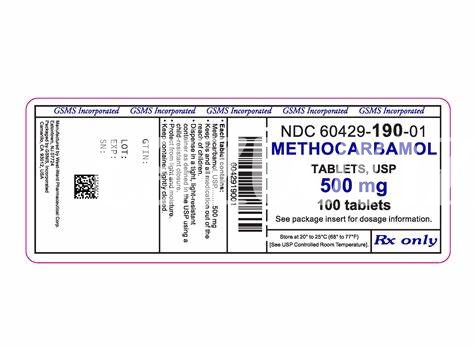
On an evening when a patient reached for both a glass of wine and a prescription bottle, the quiet synergy between alcohol and methocarbamol became alarmingly real. The drug amplifies central nervous system depression, so combining even moderate drinking can deepen drowsiness, slow breathing, impair coordination, and raise the risk of falls or accidental injury. Elderly patients and opioid users are especially vulnerable to deeper sedation and accidental harm.
Clinicians warn that these effects are not merely theoretical; Teh combination can exacerbate confusion, reduce cognitive function, and in rare cases contribute to respiratory depression requiring urgent care. To stay safe, avoid alcohol while taking the medication, discuss drinking habits with your prescriber, and seek immediate help if you notice worsening sleepiness or breathing problems. If unsure, request guidance on alcohol use and report any unusual drowsiness promptly to healthcare providers.
Otc Pain Relievers and Sedatives: Hidden Interaction Risks
Late one night a nurse took an OTC pain reliever and her prescribed methocarbamol to stop a throbbing neck ache. At first the combo seemed harmless, but drowsiness rose and coordination faltered. She underestimated how multiple labels interact during fatigue.
OTC NSAIDs generally don't increase sedation, but many cold medicines and antihistamines do amplify central nervous system depression when combined with muscle relaxants. Read active ingredients to spot sedating agents early.
Even caffeine or tiny doses of sedative antihistamines can create an aparent sense of calm that masks slowed reflexes; mixing substances raises fall and accident risk. Risks grow with age, illness, or poor sleep.
Practical steps: read labels, avoid alcohol, space medications, and ask a pharmacist about interactions. If you feel excessive sleepiness or confusion, stop and seek medical advice immediately. Keep a simple med list and update often.
Herbal Supplements That Could Amplify Sedation Effects
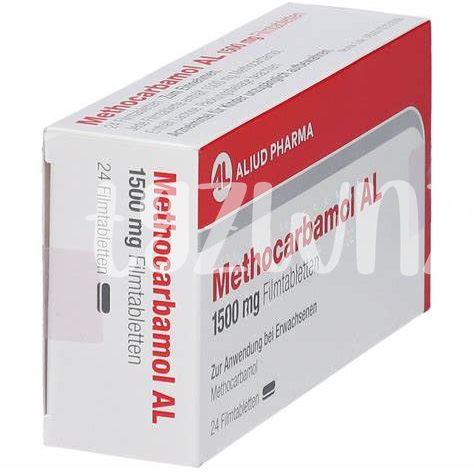
A friend once combined a calming tea with prescription muscle relief and felt unexpectedly sleepier; the lesson was clear and immediate enough.
Herbal sedatives like valerian, kava, and passionflower can potentiate drug-induced drowsiness, especially when paired with methocarbamol, increasing fall risk and impairing coordination.
Even common remedies such as melatonin, chamomile, and CBD oil may deepen sedation; dosage adjustments and timing can be crucial to avoid accidents.
Occassionally consult your prescriber, disclose all herbs, watch for confusion, extreme sleepiness, or breathing changes, and avoid driving until effects subside; seek help.
Antidepressants, Anticonvulsants, and Muscle Relaxant Interaction Concerns
A sudden evening dinner conversation turned clinical when a friend described taking methocarbamol alongside an SSRI and lamotrigine; I realized how easily sedative and metabolic interactions slip under the radar. Some antidepressants can lower seizure threshold or inhibit enzymes that clear anticonvulsants, while others raise serotonin or sedative burden; combined with a muscle relaxant the result may be excessive drowsiness, impaired coordination, or altered drug levels.
Practical steps help prevent harm: always tell clinicians every med and supplement, avoid alcohol and heavy machinery until effects are known, and ask about enzymatic interactions that could necessitate dose adjustments. Watch for confusion, breathing changes, tremor, or sudden mood shifts and seek care if they appear. Occassionally a switch in timing or a different class of drug will Acommodate safer therapy—careful monitoring makes drug combinations manageable and far less risky in daily life.
Recognizing Symptoms and Staying Safe: Practical Interaction Tips
Begin by listening to your body: if drowsiness, dizziness, confusion, or slowed breathing appear after taking methocarbamol with another drug, stop and contact your healthcare provider immediately without delay.
Keep an updated medication list and share it at every appointment; pharmacies can flag interactions, and Teh always ask about alcohol or OTC sedative risks before you combine treatments.
Be cautious with herbs like valerian, kava, or melatonin; they can amplify sedation and confusion when paired with muscle relaxants, so reduce doses or avoid simultaneous use during recovery.
Watch for urgent signs — fainting, severe breathing trouble, chest pain — and avoid driving. Keep regular follow-ups, store meds safely, and ask a pharmacist about specific combos. PubChem - Methocarbamol PubMed - methocarbamol