Eclado Laboratory by Allura Cosmetic

 Singulair Vs Inhaled Steroids: Comparison Guide
Mechanisms Explained: Leukotriene Blockers Versus Steroid Action
A simple story helps: when airways flare, leukotriene blockers intercept chemical messengers that summon swelling and mucus, acting downstream to ease constriction. Inhaled corticosteroids, by contrast, work at the source, calming broad airway inflammation and reducing immune cell activity over time. Both routes aim to steady breathing.
Quick comparison:
| Target | Action |
|---|---|
| Leukotriene pathway | Blocks mediator effects |
| Airway inflammation | Suppresses inflammatory genes |
Deciding between them often depends on symptom pattern, severity, and patient preference. Leukotriene blockers are oral, convenient for some but generally less potent than inhaled steroids for chronic control. Inhaled steroids require technique and adherence but deliver targeted anti-inflammatory effect. Discuss options with your clinician, review the Rx, check for generics to limit cost, and weigh benefits versus side effects before committing to long-term therapy. Periodic reassessment and Med Rec help optimize choice and monitor effectiveness and safety regularly.
Effectiveness Compared: Asthma Control and Symptom Relief
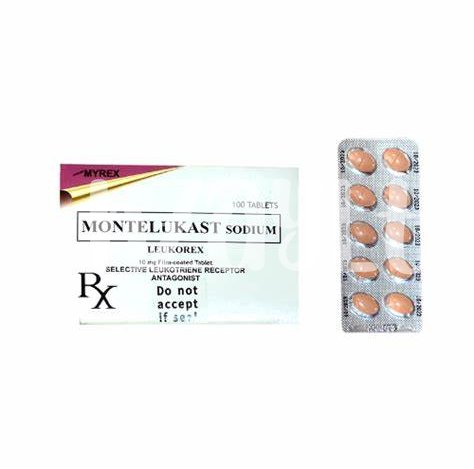
In practice, inhaled corticosteroids often lead the field for reducing airway inflammation and preventing exacerbations, improving lung function and daily symptoms in most patients. Their effect is dose-dependent and measured by fewer emergency visits and better peak flows.
By contrast, singulair offers oral convenience and can reduce symptoms for allergic or exercise-induced triggers; it's usually less potent at controlling chronic inflammation but can lower steroid needs as an add-on. Onset may be slower, and response varies between individuals.
Choice often depends on severity, adherence, and patient preference; clinicians weigh inhaler technique and access, sometimes switching to Generics or adjusting the Rx. Shared decision-making and periodic review ensure symptom control and fewer exacerbations overall over time.
Side Effects and Safety Profiles: Risks to Consider
Patients weighing risks often compare side effects: leukotriene blockers like singulair can cause headache, gastrointestinal upset, and rare but serious neuropsychiatric symptoms such as agitation, depression or sleep disturbances. Inhaled corticosteroids most commonly produce throat irritation, oral thrush and hoarseness; higher doses can suppress adrenal function, reduce bone density, and modestly slow childhood growth.
Choosing therapy also involves practical concerns: ensure accurate Sig on the Rx, ask about Generics and insurance coverage, and schedule regular checkups to monitor outcomes. Both options are generally safe when used as directed, but individualized counseling, dose titration and periodic review remain essential for long-term asthma control. Report concerning effects promptly and discuss alternative regimens if risks outweigh benefits also.
Usage Patterns: Daily Dosing Versus Inhaled Administration
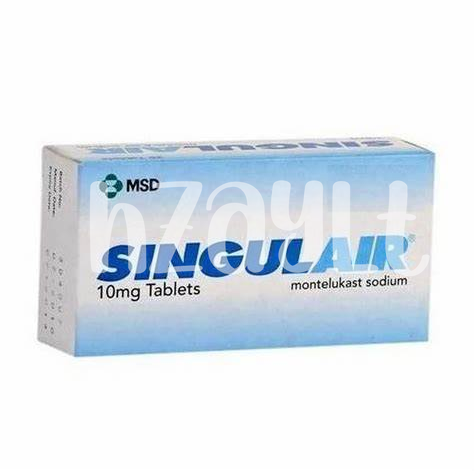
Many people appreciate the simplicity of a once daily pill: singulair and other oral leukotriene modifiers require only an Rx and a steady routine, so missed doses are often more noticeable than with inhalers. In contrast, inhaled corticosteroids demand careful technique, spacers and slow inhalation, but they deliver medication directly to the lungs and minimize systemic exposure. Choice often hinges on lifestyle, inhaler skill and whether a patient prefers pill convenience over targeted pulmonary delivery.
Clinicians weigh adherence and monitoring. Pills suit patients who dislike technique checks, while inhaled courses require periodic spirometry and clinic review. Insurance can steer choices via formulary coverage, and Generics often reduce sticker shock. For many, combining approaches gives best control: inhaled steroids for baseline inflammation plus oral agents for trigger flares, with clear Sig and regular medication review, plus followup and ongoing symptom tracking.
Special Populations: Children, Elderly, and Pregnancy Considerations
In children, choices like singulair may be favored for mild persistent disease because oral dosing is easy and adherence can be better than inhaler technique. Pediatric care demands growth monitoring, attention to behavioral changes, and a clear Sig on any Rx - Prescription.
Elderly patients often have comorbidities and higher pill burden, so clinicians check for interactions and cognitive limits with inhaler technique. Inhaled steroids are usually safe when used correctly; dose titration and bone density surveillance may be needed. OTC - Over The Counter options are limited, so shared decision making and consideration of pharmacokinetics in aging guide long term treatment choices and regular reviews.
| Group | Consideration |
|---|---|
| Children | Dosing monitoring |
| Pregnancy | Avoid systemic steroids |
Cost, Accessibility, and Long-term Treatment Decisions
Deciding between a daily tablet and an inhaler often comes down to more than symptoms; it’s about how care fits into life and budgets. Insurance coverage rules and the need for Prior Auth (PA) can slow starts and shape which agents are affordable. Some patients find Generics lower out-of-pocket costs, while branded inhalers may carry sticker shock.
Clinicians balance efficacy with adherence: a once-daily pill may suit people who struggle with inhaler technique, but inhaled steroids target airways directly and can reduce exacerbations. Long-term plans should consider follow-up, lung function monitoring, and the possibility of stepping therapy up or down. Consider device training, home peak-flow tracking, and annual reviews to prevent costly emergency care and hospitalizations.
Shared decision-making, with clear Sig and medication reviews, helps align clinical goals with financial realities so patients stay on effective regimens without unexpected bills.