Eclado Laboratory by Allura Cosmetic

 Tetracycline for Acne: Benefits, Risks, Alternatives
How Tetracycline Combats Acne-causing Bacteria and Inflammation
I remember opening a small amber bottle and wondering if this routine pill could finally calm my skin. Tetracycline works by entering bacterial cells, blocking protein synthesis and slowing growth of acne-associated bacteria; it also reduces inflammatory signals from immune cells, so red, painful lesions shrink. This dual action makes outcomes faster than topical therapy alone, especially when combined with good skin care and sun protection.
Clinicians often see clearer skin within weeks, with greatest improvement after several months; teh response depends on dose, adherence, and local resistance. Side effects and contraindications mean antibiotics are usually a time-limited bridge to maintenance care like retinoids or hormonal approaches. Open discussion about risks, realistic goals, and monitoring plans helps patients know what to expect, when to stop, and how to transition to non-antibiotic maintenance for consistent, longer-term control, and preserve future options.
Proven Benefits and Expected Treatment Timelines
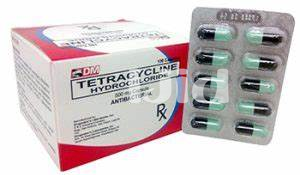
Patients often tell a story of steady clearing: within days inflammation softens and within weeks fewer red bumps appear. Tetracycline works by suppressing acne-causing bacteria and reducing inflammatory signals, so lesions shrink and flare-ups become less frequent. Clinical studies show meaningful improvement by six to twelve weeks, with peak benefit often at three months. For moderate inflammatory acne, antibiotics combined with topical therapies can speed results and lower scarring risk.
Side effects are usually mild — gastrointestinal upset, photosensitivity, and yeast overgrowth — but more serious outcomes like long-term resistance or rare liver effects require monitoring. Dermatologists often limit course length and pair antibiotics with retinoids or benzoyl peroxide to cut resistance. After initial clearance, maintenance with topicals helps prevent relapse; therapy may be tapered after improvement. Occassionally patients need alternative strategies if response is incomplete or side effects make continuation unwise.
Common Short-term and Long-term Side Effects
Starting tetracycline can feel hopeful: pimples fade, but the body sometimes protests. Short-term complaints often include nausea, photosensitivity with sunburn-prone skin, and yeast infections in some people. Rarely, headaches or dizziness interfere with daily life. Drink fluids and avoid direct sun, and consult your clinician if symptoms intensify. Side effects can be minimised with simple steps and clear follow-up.
Longer courses risk teeth discoloration in children, altered gut flora leading to persistent diarrhea, and potential liver or vestibular problems. Risks rise when combined with certain minerals or other meds, so list all supplements and prescriptions. Most effects resolve after stopping treatment, though monitoring and Occassionally dose adjustments may be neccessary to accomplish safe, effective care.
Drug Interactions, Contraindications, and Safety Precautions

Before starting tetracycline, picture a clinician reviewing your meds and history, explaining how antibiotics interact with other drugs and why a tailored plan matters for safety and monitoring.
They may warn that antacids, dairy, iron supplements and some blood thinners change absorption or potency; Occassionally interactions require dose changes or switching to alternative therapies for patient safety.
Contraindications include pregnancy and young children because tetracycline affects bone and teeth development; severe liver or renal impairment also often rules it out until safer options are chosen elsewhere.
Practical precautions are simple: avoid excessive sun, take pills with a full glass of water separated from dairy or antacids, report rash or breathing changes, and finish the course.
Who Should Avoid Tetracycline and Why
Pregnancy, breastfeeding, young children and serious liver disease are clear reasons to skip tetracycline. Even a single course can cause lasting tooth and bone effects in kids, so clinicians usually choose other meds. Tell your provider about allergies, sun plans, or recent isotretinoin use.
People with severe gastrointestinal disease or autoimmune conditions may Occassionally face higher risks. If you're on multiple medications or have renal impairment, drug interactions can be troublesome; monitoring and alternative strategies are often safer. Always discuss risks with a clinician to find a tailored plan.
| Consult |
Effective Alternatives: Topical, Hormonal, and Procedural Options
Topical therapies can feel like a gentle revolution: retinoids normalize follicular turnover, benzoyl peroxide reduces bacteria and resistance, and azelaic acid calms inflammation and fades post‑inflammatory pigment. Topical antibiotics are effective short term but risk resistance, so combine them with benzoyl peroxide. For hormonally driven acne, combined oral contraceptives or spironolactone lower androgen effects and often produce steady improvement over months; treat selection depends on side effects, comorbidities, and patient goals.
Procedural options — chemical peels, LED/blue light, lasers and extraction — offer rapid reduction in lesions and scarring when combined with medical therapy. Peels and light therapies are safe but may need repeated sessions and occassionally cause irritation in sensitive skin or in certain enviroment exposures. Discuss costs, downtime and realistic outcomes with dermatologist to craft a tailored plan that balances efficacy, risks, and lifestyle. NCBI review FDA label