Eclado Laboratory by Allura Cosmetic

 Trazodone Withdrawal: What to Expect
Spotting Early Signs and Common Withdrawal Symptoms
When the medication first tapers, many people notice subtle shifts: restless nights, sudden dizziness, and unusually vivid dreams. These early clues can feel startling, framed like ordinary stress but often tied to changing brain chemistry. Noticing patterns helps separate withdrawal from unrelated life events.
Common physical signs include sweating, nausea, tremors and flu-like aches; emotional effects range from irritability to low mood and heightened anxiety. Some report electric shock sensations and concentration problems. Early recognition means quicker support, safer taper adjustments, and practical coping before symptoms escalate and improved outcomes.
| Symptom | Examples |
|---|---|
| Physical | dizziness, sweating, nausea |
| Emotional | anxiety, irritability, low mood |
Timeline and Progression over Days Weeks Months
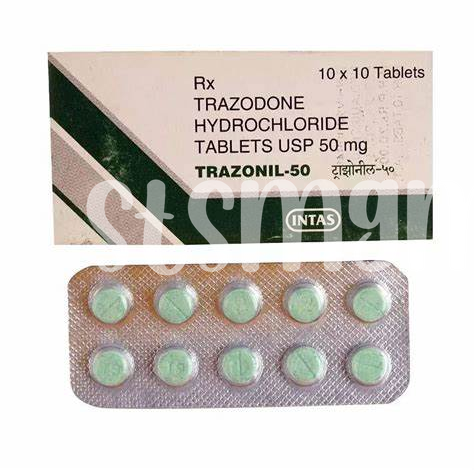
In the first days after stopping trazodone, many people notice sleep disruption, vivid dreams and heightened anxiety. Physical symptoms like headache, nausea or tremor can appear quickly; emotional swings often follow. Understanding that these reactions are common helps reduce alarm and encourages patience.
Over weeks symptoms usually ebb and flow: insomnia may improve while mood fluctuations linger and cravings or low energy persist. After months most acute effects fade, though some residual sleep or mood issues can remain. Gradual tapering, monitoring, and support often shorten recovery and aid long-term stability.
Physical and Emotional Challenges during Medication Cessation
Stopping trazodone can feel like stepping into fog: days of tiredness, dizziness, headaches, and restless sleep mix with sudden waves of anxiety. Many people describe physical jolts, muscle tension, and nausea, while concentration blurs. Understanding that these reactions are common helps normalize the experience and reduces panic when symptoms ebb and surge.
Emotions often run high: crying spells, irritability, and a low mood can arrive unexpectedly, sometimes alongside brief sensations of depersonalization or heightened sensitivity. Practical steps—gradual tapering, hydration, sleep hygiene, gentle exercise, and support from friends or clinicians—can ease the journey. Tracking patterns and communicating changes to a prescriber makes recovery safer and less isolating. Listen to your body and be patient with yourself.
Practical Coping Strategies Tapering Plans and Self Care

Leaving trazodone felt like stepping into fog, but a clear tapering schedule helped anchor me. Gradual dose reductions, coordinated with a prescriber, reduced jolts of anxiety and insomnia. Tracking symptoms in a journal revealed patterns — worse at certain times of day — so small timing adjustments and sleep hygiene (dark room, consistent bedtime) made a surprising difference.
I also leaned on practical coping tools: breathing exercises, gentle exercise, and scheduled social check-ins to counter isolation. Over-the-counter remedies for headaches and a short-term support group eased the transition. If rebound symptoms spike, pausing the taper or consulting a clinician can prevent setbacks; planned patience and self-compassion often prove as vital as any medication adjustment too.
When to Seek Professional Help and Support
When nights become relentlessly sleepless and daytime functioning collapses, it's time to reach out. Severe mood swings, confusion, fever, tremors, or any thoughts of harming yourself require immediate clinical attention; withdrawal can mimic other conditions and needs evaluation.
If symptoms persist beyond expected timelines, worsen despite tapering, or return after reinstating a small dose, seek a prescriber or addiction specialist for adjustment and monitoring. Pharmacists, psychiatrists, and experienced counselors can advise on safer tapering, medication substitutes, or adjunctive therapies.
Keep a symptom log and bring it to appointments; clearly recorded patterns help professionals tailor care. Emergency care is warranted for chest pain, difficulty breathing, seizures, or suicidal intent—never tough it out alone, especially with medications like trazodone. Support groups, telehealth check-ins, or dedicated hotlines provide practical help when immediate prescriber access is limited and can reduce panic and isolation quickly.
| Sign | Recommended Action |
|---|---|
| Severe or dangerous symptoms | Seek emergency care immediately |
| Persistent or worsening withdrawal | Contact prescriber or mental health specialist |
Preventing Relapse and Managing Long Term Recovery
After stopping trazodone, people find recovery is less a victory than an ongoing practice. Building structure — consistent sleep routines, regular exercise, and stress-reduction techniques such as mindfulness or cognitive behavioral strategies — reduces reliance on old coping patterns and stabilizes mood. Keeping a symptom diary helps recognize early warning signs so you can act before setbacks deepen.
Stay connected: regular check-ins with prescriber, therapist, or peers provide accountability and allow treatment adjustments if insomnia or depression returns. Avoid abrupt medication changes; discuss alternatives like medication trials or targeted therapy. If intense symptoms reappear, seek prompt professional care rather than self-medicating. Long-term resilience grows from planning, support, and small daily habits that protect mental health. MedlinePlus on trazodone DailyMed: trazodone label